U.S. Inflation and the Government Shutdown: Between Price Pressures and Political Gridlock

Introduction
In 2025, the U.S. economy finds itself at a critical crossroads — facing persistent inflationary pressures alongside growing political dysfunction in Congress, which has reignited fears of a potential government shutdown.
This intersection of economic and political tension places the world’s largest economy in a fragile position, where any policy misstep could reverberate through global markets, interest rates, and even the U.S. dollar itself.
1. Background: Inflation in the U.S. Economy
Since the COVID-19 pandemic, the United States has endured repeated waves of inflation driven by:
-
Massive fiscal stimulus programs during 2020–2022.
-
Global supply chain disruptions.
-
Rising energy and food prices following the war in Ukraine.
Although the Federal Reserve has successfully reduced inflation from over 9% in 2022 to around 3% by mid-2025, prices remain above the 2% target, particularly in housing and services.
2. The Federal Reserve’s Position
The U.S. central bank is attempting a delicate balancing act — fighting inflation without triggering a recession.
On one hand, the Fed remains cautious about cutting rates too early, fearing a resurgence in inflation.
On the other, maintaining high interest rates for too long risks slowing growth and weakening the labor market.
Current forecasts suggest that the Fed may begin a gradual rate-cutting cycle in the first half of 2026, provided that inflation continues to cool without new supply shocks.
3. The Government Shutdown: Causes and Effects
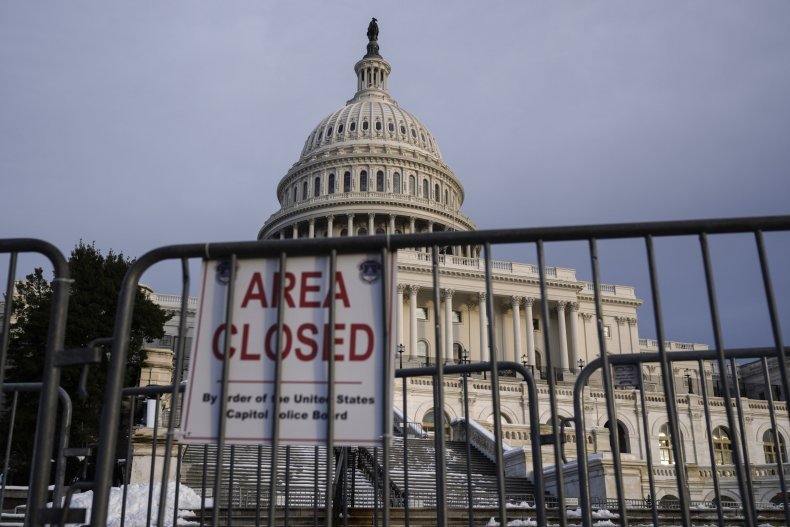
A U.S. government shutdown occurs when Congress fails to pass a federal budget or temporary funding bill, forcing nonessential government operations to halt.
These shutdowns typically stem from partisan disputes between Republicans and Democrats over spending priorities, the national debt, and social programs.
If another shutdown materializes at the end of 2025, the consequences could include:
-
Closure of government agencies and public services, including tax offices, data reporting agencies, museums, and research institutions.
-
Erosion of investor confidence in Washington’s ability to manage fiscal policy.
-
Pressure on the U.S. credit rating, as witnessed during past shutdowns that led to partial downgrades.
4. The Link Between Inflation and the Shutdown
While inflation and government shutdowns appear unrelated, there are indirect connections between them:
-
A shutdown delays key economic data releases, complicating the Fed’s ability to assess inflation trends.
-
It temporarily reduces government spending, which can ease inflationary pressure in the short term.
-
However, it also undermines market confidence, potentially raising borrowing costs and increasing fiscal uncertainty.
If a shutdown persists for weeks, its negative economic impact — slower growth, lower consumption, and weaker business confidence — could outweigh any temporary inflation relief.
5. Global Market Reactions
-
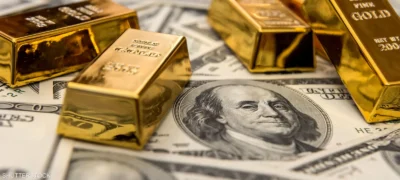
Gold and Silver: Precious metals typically rise during shutdowns as investors seek safe-haven assets.
-
U.S. Dollar: The dollar may weaken temporarily amid uncertainty, though it tends to recover due to its reserve currency status.
-
Equities: U.S. stocks often dip at the start of a shutdown but rebound once a political resolution is reached.
-
Oil: Domestic demand may decline briefly, putting downward pressure on global oil prices.
6. Possible Scenarios
| Scenario | Description | Economic Impact |
|---|---|---|
| Quick Resolution (Most Likely) | Temporary funding bill passed before year-end | Market stability and dollar recovery |
| Short Shutdown (2–3 weeks) | Minor political standoff | Slight growth slowdown; limited stock pullback |
| Prolonged Shutdown (Over a Month) | Severe partisan conflict | Weaker investor confidence, potential credit downgrade, upward pressure on yields |
7. Global Spillover Effects
Any disruption in Washington quickly ripples across the world:
-
Higher market volatility in global equities and currencies.
-
Stronger demand for safe-haven assets like gold and the Swiss franc.
-
Commodity price swings due to dollar fluctuations.
-
Strain on emerging markets reliant on dollar-denominated financing.
Conclusion
As 2025 draws to a close, the U.S. economy remains caught between stubborn inflation and a looming political crisis over government funding.
Yet, America’s economic foundation remains relatively strong — supported by technological innovation and a resilient labor market.
Still, persistent partisan gridlock and delayed fiscal reforms could make 2026 a decisive year for restoring global confidence in both the U.S. economy and the dollar.