Reassessing the U.S. Gold Reserves and Its Impact on the Dollar: An Economic Analysis of Monetary Power

Introduction
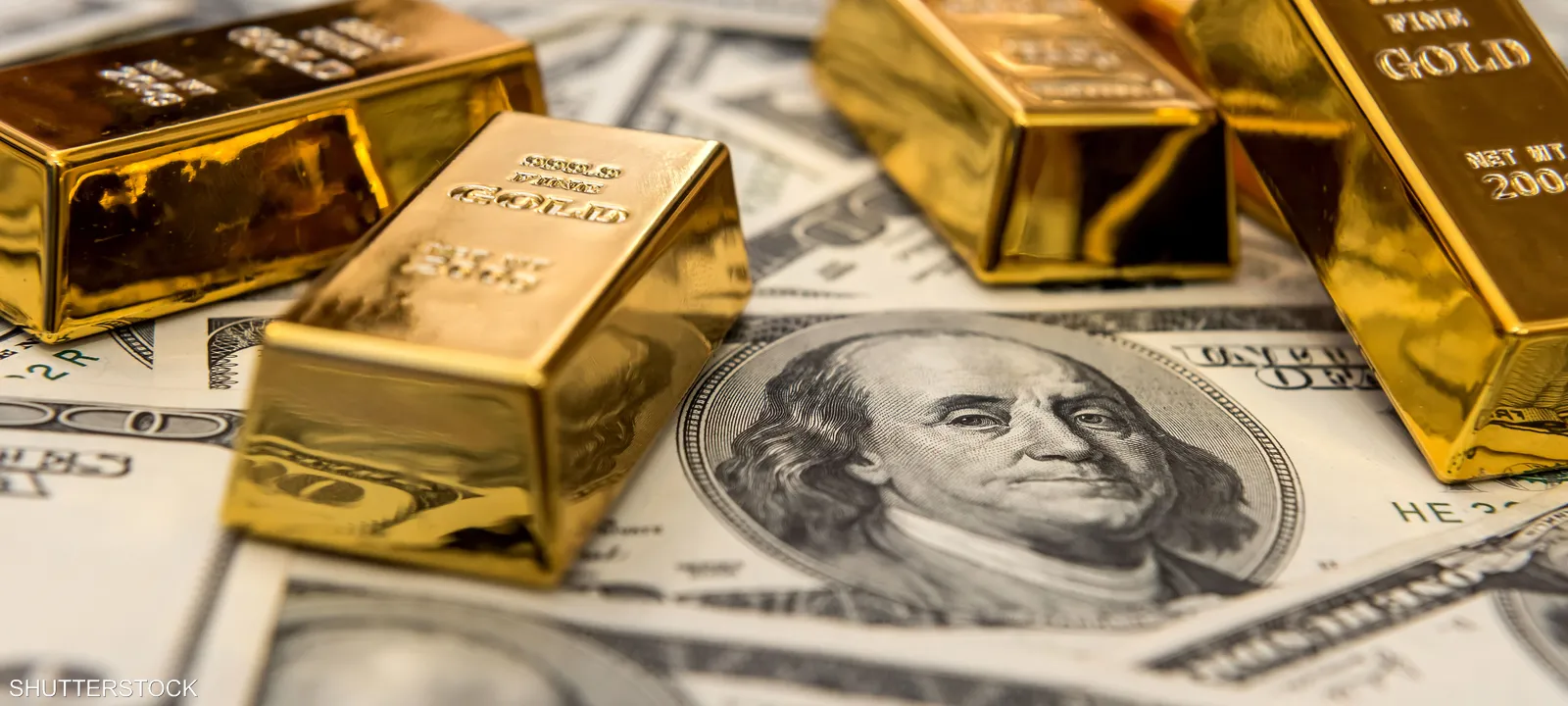
The United States remains the world’s largest financial power, and part of that dominance stems from its massive gold reserves, officially estimated at 8,133 tons, stored in facilities such as Fort Knox and the New York Federal Reserve vaults.
However, amid rising federal debt and declining confidence in fiat money systems, recent discussions have resurfaced about re-evaluating America’s gold reserves as a potential step toward restoring fiscal balance and reinforcing global trust in the U.S. dollar.
This proposal raises two fundamental questions:
Could a revaluation of gold strengthen the dollar — or would it instead expose the fragility of the U.S. monetary system?
1. Historical Background: Gold and the Dollar Through Time
Since the Bretton Woods Agreement of 1944, the U.S. dollar was pegged to gold at $35 per ounce, establishing it as the world’s reserve currency.
But in 1971, President Richard Nixon announced the end of the gold standard, marking the beginning of the fiat money era, where currency value depends on trust rather than a physical backing.
Since then, gold has remained a strategic asset, but not an active component of monetary policy.
Its official book value in U.S. government accounts is still just $42.22 per ounce, a fraction of its current market value of over $2,400 per ounce as of 2025.
2. The Concept of Gold Revaluation
Revaluation refers to updating the official book value of government-held gold to reflect its current market price.
If the U.S. Treasury were to revalue its gold holdings, the value of those assets could rise from about $11 billion to over $600 billion.
Possible Objectives of Revaluation
-
Strengthening the federal balance sheet by raising the value of official assets.
-
Boosting confidence in the dollar as a store of value.
-
Supporting Federal Reserve reserves against inflationary pressures and rising national debt.
3. Economic Impact on the U.S. Dollar
The implications of a gold revaluation would be complex and multidimensional.
A) Short-Term Effects
In the short term, revaluation could enhance global confidence in the dollar, as it would signal that the U.S. still holds vast tangible assets to support its currency.
It could also serve as a symbolic gesture of monetary discipline, especially after years of expansive money printing and high liquidity.
B) Medium-Term Effects
A formal gold revaluation could temporarily strengthen the dollar as investors flock to U.S. assets.
However, it might also lead to a temporary dip in gold prices, as markets anticipate potential government influence over the gold supply or valuation mechanisms.
C) Long-Term Effects
In the long run, such a move could trigger a broader reform of the global monetary system, possibly paving the way for a hybrid model partially backed by gold — especially as nations like China and Russia continue expanding their gold reserves.
The dollar could thus evolve from a purely fiat currency into one partially supported by real assets.
4. Geopolitical Implications
Revaluing U.S. gold reserves would have far-reaching global consequences:
-
China and Russia might respond by revaluing their own reserves to increase financial influence.
-
Emerging markets could diversify their foreign reserves, shifting portions from the dollar to gold.
-
International institutions, such as the IMF, may begin discussions on a new framework for reserve currency valuation.
Hence, this move would not merely be an accounting adjustment — it would represent a potential rebalancing of global financial power.
5. Potential Risks
Despite its apparent advantages, the idea carries significant risks:
-
It could be seen as an implicit acknowledgment of weakness in the U.S. monetary system.
-
A higher book value of gold might tempt policymakers to justify new money creation, undermining the purpose of the revaluation.
-
Financial markets might interpret the move as political theater rather than structural reform, leading to volatility in both gold and dollar markets.
6. The Likely Future Scenario
It is likely that gold revaluation will remain a subject of strategic study within U.S. policy circles rather than an immediate course of action.
Nevertheless, the mere discussion of it reflects growing concern over the national debt and the need to restore equilibrium in the global monetary system.
Conclusion
Reassessing America’s gold reserves would be far more than a financial adjustment — it would represent a philosophical shift in the foundation of U.S. economic power, balancing between paper and metal, trust and tangible value.
If implemented, such a step could have a dual effect:
-
In the short term, it could strengthen global confidence in the dollar.
-
In the long term, it might reignite global debate over the future of fiat money and a potential return to some form of gold standard.
The ultimate question remains:
Will the world ever return to a gold-backed monetary system in the 21st century — or will the dollar continue to reign as the “digital gold” of the modern era, backed only by confidence?